
East Village Dental Centre color vector logo
Phone icon
  • Location & hours
  • Pay my bill
  • Patient login
  • Blog
  • Contact
  • Careers
  • Emergencies
  • (773) 231-9620
    • Meet our team
    • Gary Treinkman, DDS
    • Collin Brant, DDS
    • Prevent
    • Children's Dental Care
    • Dental Exams and Teeth Cleaning
    • General Dentistry Services
    • Gum Treatment
    • Restore
    • Emergency Dentist
    • All-on-4®
    • Dental Fillings, Crowns & Bridges
    • Dental Implants
    • Full and Partial Dentures
    • Implant-Supported Dentures
    • Root Canal & Endodontics
    • Sleep Apnea Treatment
    • Tooth Extractions
    • Improve
    • Braces
    • Cosmetic Dentistry Services
    • Invisalign®
    • Porcelain Veneers
    • Teeth Whitening
    • Dental payment options
    • Dental insurance
    • Dental financing
    • iCreditWorks
    • Special offers
    • Good faith estimate
    • About our practice
    • Patient information
    • Dental reviews
    • Dental technology
  • Book appointment

Home

Blog

4 Ways to Tell if You Have Bad Breath

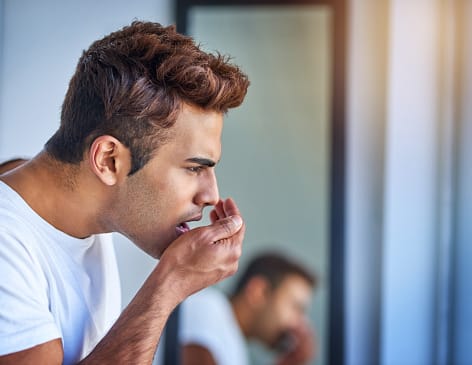
Man checking his breath by cupping hand over mouth for bad breath detection

August 15, 2024 By East Village Dental Centre

4 Ways to Tell if You Have Bad Breath

We all know the feeling of self-consciousness when we think we might have bad breath. But how can you tell for sure? While asking a close friend or family member for their honest opinion might be an option, there are other, more subtle ways to figure it out yourself.

1. The Spoon Test

This simple trick can give you a good indication of whether you have bad breath. Take a clean spoon and scrape the back of your tongue. Then, smell the residue on the spoon. If it has a strong odor, you likely have bad breath.

2. The Wrist Lick Test

This test is similar to the spoon test, but uses your wrist instead. Simply lick the inside of your wrist and let it dry for a few seconds. Then, smell your wrist. If it has a strong odor, you likely have bad breath.

3. The Breathalyzer Test

There are also commercially available breathalyzers that can measure the level of volatile sulfur compounds (VSCs) in your breath. VSCs are the main cause of bad breath, so a high reading on a breathalyzer indicates that you likely have bad breath.

4. Ask Your Dentist

Of course, the most accurate way to determine if you have bad breath is to ask your dentist. During your regular checkups, your dentist will examine your mouth and identify any potential causes of bad breath, such as cavities, gum disease, or dry mouth.

What Causes Bad Breath?

Bad breath, also known as halitosis, can be caused by a variety of factors, including:

  • Poor oral hygiene: This is the most common cause of bad breath. When you don't brush and floss your teeth regularly, food particles and bacteria can build up on your teeth and tongue, leading to bad breath.
  • Dry mouth: Dry mouth can also cause bad breath. When your mouth is dry, there is less saliva to wash away food particles and bacteria.
  • Certain foods and drinks: Some foods and drinks, such as garlic, onions, coffee, and alcohol, can cause bad breath.
  • Medical conditions: Certain medical conditions, such as acid reflux, diabetes, and kidney disease, can also cause bad breath.

How to Treat Bad Breath

If you think you have bad breath, the first step is to see your dentist to rule out any underlying medical conditions. Once any medical causes have been ruled out, your dentist can recommend the best treatment plan for you. This may include:

  • Improving your oral hygiene: Brush and floss your teeth regularly, and use a tongue scraper to remove bacteria from your tongue.
  • Using mouthwash: Mouthwash can help to kill bacteria and freshen your breath.
  • Drinking plenty of water: Staying hydrated can help to prevent dry mouth.
  • Avoiding foods and drinks that cause bad breath: If you notice that certain foods or drinks make your breath smell bad, try avoiding them.

Restoration Dentistry and Bad Breath

In some cases, bad breath may be caused by dental problems, such as cavities, gum disease, or dry mouth. If this is the case, your dentist may recommend restorative dentistry treatments to address the underlying problem. These treatments may include:

  • Fillings: Fillings can be used to repair cavities and prevent them from getting worse.
  • Crowns: Crowns can be used to restore damaged teeth and protect them from further damage.
  • Bridges: Bridges can be used to replace missing teeth.
  • Dentures: Dentures can be used to replace all of your teeth.
  • Dry mouth treatments: Dry mouth can be treated with artificial saliva or medications that stimulate saliva production.

If you are concerned about bad breath, don't hesitate to talk to your dentist. They can help you determine the cause of your bad breath and recommend the best treatment plan for you. With proper treatment, you can get rid of bad breath and enjoy fresh breath with confidence.
Recent articles

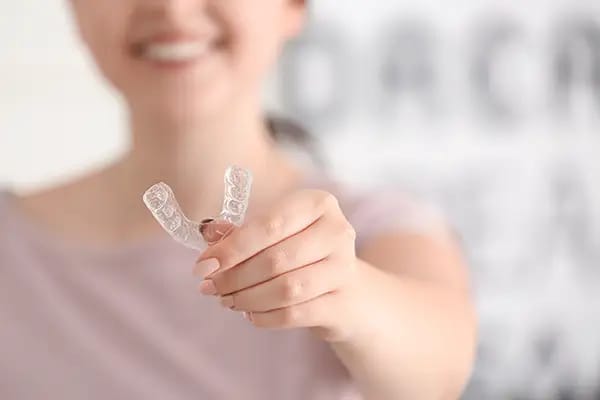
Woman holding clean mouthguard demonstrating proper dental guard hygiene How Do You Keep a Mouthguard Clean?
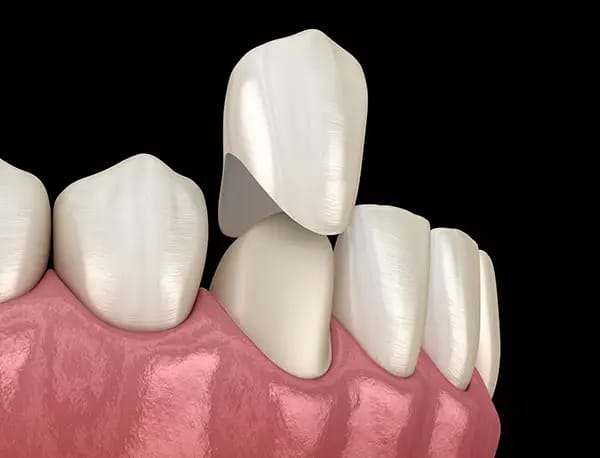
Front dental crown placement showing precise fit and restoration care How to Care for a Front Dental Crown
Digital smile design technology interface showing cosmetic dentistry planning How Does Digital Smile Design Work?

Book your appointment today.

901 North Ashland Ave, Chicago, IL 60622
Call our office at (773) 231-9620.
Book appointment
East Village Dental Centre knockout vector logo
  • All-on-4®
  • Braces
  • Children's Dental Care
  • Cosmetic Dentistry Services
  • Dental Exams and Teeth Cleaning
  • Dental Fillings, Crowns & Bridges
  • Dental Implants
  • Emergency Dentist
  • Full and Partial Dentures
  • General Dentistry Services
  • Gum Treatment
  • Implant-Supported Dentures
  • Invisalign®
  • Porcelain Veneers
  • Root Canal & Endodontics
  • Sleep Apnea Treatment
  • Teeth Whitening
  • Tooth Extractions
  • Find a dentist near you
  • Privacy policy
  • Notice of Privacy Practices
  • Site map

© 2026 East Village Dental Centre. All rights reserved. The above-listed practice complies with applicable Federal civil rights laws and does not discriminate on the basis of race, color, national origin, age, disability, or sex. Notice of non‑discrimination.

(773) 231-8956