
East Village Dental Centre color vector logo
Phone icon
  • Location & hours
  • Pay my bill
  • Patient login
  • Blog
  • Contact
  • Careers
  • Emergencies
  • (773) 231-9620
    • Meet our team
    • Gary Treinkman, DDS
    • Collin Brant, DDS
    • Prevent
    • Children's Dental Care
    • Dental Exams and Teeth Cleaning
    • General Dentistry Services
    • Gum Treatment
    • Restore
    • Emergency Dentist
    • All-on-4®
    • Dental Fillings, Crowns & Bridges
    • Dental Implants
    • Full and Partial Dentures
    • Implant-Supported Dentures
    • Root Canal & Endodontics
    • Sleep Apnea Treatment
    • Tooth Extractions
    • Improve
    • Braces
    • Cosmetic Dentistry Services
    • Invisalign®
    • Porcelain Veneers
    • Teeth Whitening
    • Dental payment options
    • Dental insurance
    • Dental financing
    • iCreditWorks
    • Special offers
    • Good faith estimate
    • About our practice
    • Patient information
    • Dental reviews
    • Dental technology
  • Book appointment

Home

Blog

Easing Pain When You Have an Oral Infection

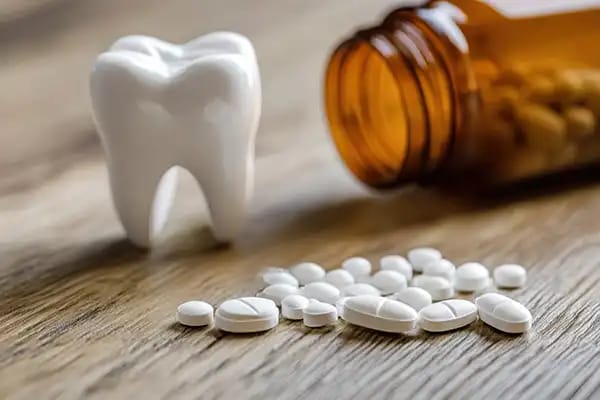
Pain relief medication next to tooth model for oral infection discomfort

December 1, 2025 By East Village Dental Centre

Easing Pain When You Have an Oral Infection

Imagine your mouth as a bustling city. Usually, everything runs smoothly – teeth are strong, gums are healthy, and breath is fresh. But sometimes, like any city, an oral infection can take hold, disrupting the peace and causing discomfort. Let's explore how to manage the pain and get things back on track.

Understanding the Source of Pain

Pain from an oral infection can stem from several sources. Bacteria, fungi, or even viruses can invade the tissues of your mouth, leading to inflammation and irritation. This inflammation triggers nerve endings, sending pain signals to your brain. The intensity of the pain can vary, ranging from a dull ache to a sharp, throbbing sensation. It can be localized to a specific area, like around a tooth, or more widespread, affecting your entire mouth.

Immediate Steps for Relief

When an oral infection strikes, quick action can help manage the pain. Here are some things you can do at home:

  • Warm Salt Water Rinses: This is a classic remedy for a reason. Dissolving a teaspoon of salt in a cup of warm water and gently rinsing your mouth for 30 seconds, several times a day, can reduce inflammation and kill bacteria.
  • Over-the-Counter Pain Relievers: Medications like ibuprofen or acetaminophen can help alleviate pain. Follow the instructions on the label carefully.
  • Cold Compresses: Applying a cold compress to the outside of your cheek near the affected area can numb the pain and reduce swelling.
  • Soft Food Diet: Avoid hard, crunchy, or spicy foods that can further irritate the infected area. Opt for soft, easy-to-chew foods like yogurt, soup, or mashed potatoes.

The Importance of Professional Care

While home remedies can provide temporary relief, they are not a substitute for professional dental care. An oral infection needs to be properly diagnosed and treated by a dentist to prevent it from spreading and causing more serious complications.

Your dentist will examine your mouth to determine the cause and extent of the infection. Depending on the situation, treatment may involve antibiotics to fight the bacteria, draining an abscess (a pocket of pus), or even removing an infected tooth.

Long-Term Prevention

Preventing oral infections starts with consistent oral care. Here are some key habits to adopt:

  • Brush your teeth at least twice a day: Use fluoride toothpaste and a soft-bristled toothbrush.
  • Floss daily: Flossing removes plaque and food particles from between your teeth, where your toothbrush can't reach.
  • Regular Dental Checkups: Professional cleanings remove plaque and tartar buildup, and your dentist can detect and treat problems early.
  • Limit Sugary Foods and Drinks: Sugar feeds bacteria in your mouth, increasing the risk of infection.

How Restoration Dentistry Can Help

Sometimes, restoration dentistry becomes necessary to address infections. If tooth decay has progressed to the point of infection, a root canal procedure might be needed to remove the infected pulp and save the tooth. If a tooth is too damaged to be saved, extraction might be the best option. Following extraction, replacement options like implants or bridges can help restore your smile and prevent further complications.

Taking proactive steps to maintain good oral hygiene and seeking professional dental care when needed are essential for preventing and managing oral infections. By working together, you and your dentist can keep your "oral city" healthy and pain-free.

Recent articles

Woman holding clean mouthguard demonstrating proper dental guard hygiene How Do You Keep a Mouthguard Clean?
Front dental crown placement showing precise fit and restoration care How to Care for a Front Dental Crown
Digital smile design technology interface showing cosmetic dentistry planning How Does Digital Smile Design Work?

Book your appointment today.

901 North Ashland Ave, Chicago, IL 60622
Call our office at (773) 231-9620.
Book appointment
East Village Dental Centre knockout vector logo
  • All-on-4®
  • Braces
  • Children's Dental Care
  • Cosmetic Dentistry Services
  • Dental Exams and Teeth Cleaning
  • Dental Fillings, Crowns & Bridges
  • Dental Implants
  • Emergency Dentist
  • Full and Partial Dentures
  • General Dentistry Services
  • Gum Treatment
  • Implant-Supported Dentures
  • Invisalign®
  • Porcelain Veneers
  • Root Canal & Endodontics
  • Sleep Apnea Treatment
  • Teeth Whitening
  • Tooth Extractions
  • Find a dentist near you
  • Privacy policy
  • Notice of Privacy Practices
  • Site map

© 2026 East Village Dental Centre. All rights reserved. The above-listed practice complies with applicable Federal civil rights laws and does not discriminate on the basis of race, color, national origin, age, disability, or sex. Notice of non‑discrimination.

(773) 231-8956